
When you are exploring ABA therapy for your child, the “where” matters more than most people realize.
In-home ABA therapy brings support into the place your child knows best. It can make goals feel more practical, reduce the stress of travel, and help skills show up in real life, not just in a clinic room.
At Moving Mountains ABA, we serve families across New Hampshire with in-home and community-based ABA. Our team of BCBAs and RBTs builds individualized plans that focus on meaningful skill development, emotional regulation, and parent empowerment. We also distinguish ourselves through a modern, assent-based approach. That means we prioritize your child’s happiness and willingness to participate, while strictly avoiding aversive or punishment-based strategies.
Another significant advantage is that many insurance providers now cover in-home ABA therapy, making it a more accessible option for families.
Below are 10 real benefits families often experience with in-home ABA therapy, plus what those benefits can look like day to day.
1) Skills are taught where they actually happen
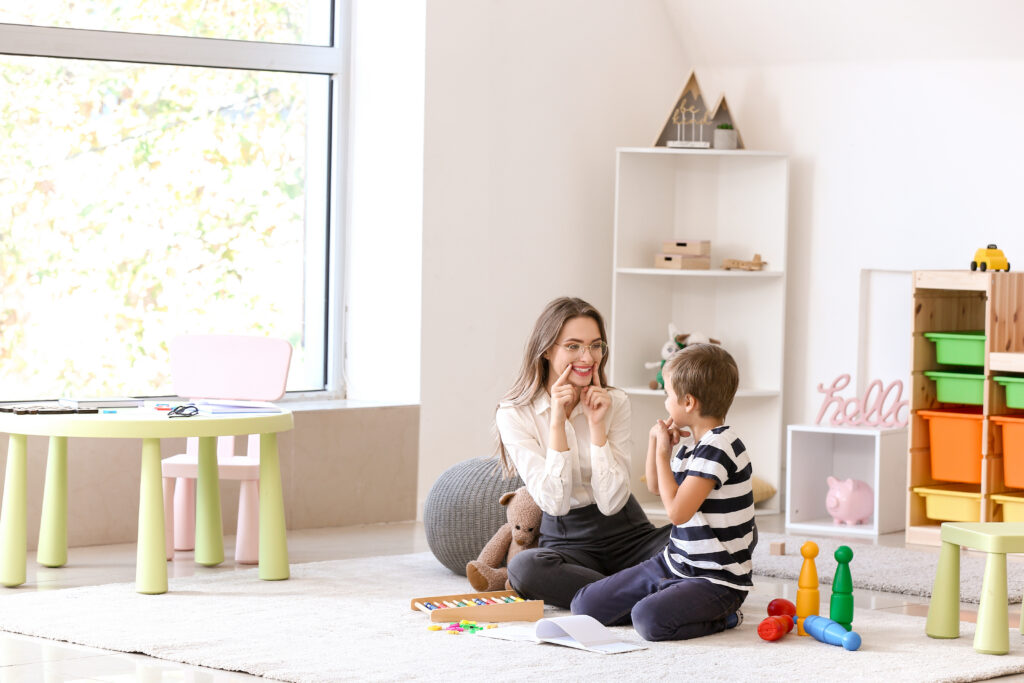
One of the biggest advantages of in-home ABA therapy is simple: we can work on skills in the exact environment where your child needs them.
That matters because many goals are home-based by nature, such as:
- Morning and bedtime routines
- Mealtime skills and trying new foods
- Tolerating hair brushing, nail trimming, or toothbrushing
- Sharing space with siblings
- Following household directions
- Playing appropriately with toys that are already in the home
Instead of practicing a routine in a clinic and hoping it transfers later, we can teach and practice it right in the moment. It is more natural, and for many children it helps skills “stick” faster.
2) More comfort and less transition stress
New places can be overwhelming, especially for children who experience sensory sensitivities, anxiety, or difficulty with transitions.
In-home sessions can reduce the load that comes with:
- Getting ready and leaving the house
- Riding in the car
- Walking into an unfamiliar building
- Adjusting to new noises, lights, or smells
When your child can start therapy already regulated and comfortable, we often see more availability for learning and connection. It also means the work we do together can feel calmer, more respectful, and more aligned with your child’s nervous system.
3) We can build routines that fit your real life
A plan is only helpful if it fits into your family’s daily rhythm.
In the home, we can observe what your days truly look like and design goals around what is realistic for you, not what looks perfect on paper. That could mean:
- Supporting smoother school mornings with visual supports
- Building a short, consistent homework routine
- Creating a calmer dinner routine with simple steps
- Identifying what makes bedtime fall apart and fixing just one piece at a time
Because we are meeting you where you are, we can build momentum with small wins that actually reduce stress in your household.
4) Parent coaching becomes easier and more practical
Parents do not need more theory. You need support that works on Tuesday at 6:30 pm when your child is dysregulated and dinner is burning.
In-home ABA makes parent coaching more concrete because we can:
- Model strategies in real situations
- Practice together using your child’s actual materials and spaces
- Troubleshoot in the moment
- Build simple plans you can repeat even when you are tired
At Moving Mountains ABA, we treat parents and caregivers as essential members of the team. Our goal is not to make you dependent on therapy hours. Our goal is to empower you with tools, confidence, and options that feel humane and doable.
5) Better generalization (skills show up outside of “therapy time”)
A common frustration for families is when a child can do a skill during a session, but it disappears later.
This is where generalization comes in. Generalization means your child can use a skill across:
- Different people (parents, siblings, grandparents)
- Different settings (kitchen, bedroom, backyard)
- Different materials (different cups, different toys)
- Different times of day (morning versus evening)
In-home services, such as those provided by ABA therapy, give us built-in opportunities to practice generalization naturally. We can also coordinate with community goals when appropriate, so the skill is not trapped in one context.
6) We can support emotional regulation in real moments
Emotional regulation is not just something you talk about. It is something you practice when feelings show up.
In-home ABA allows us to work on regulation where it often matters most: during everyday demands, disappointments, waiting, transitions, sibling conflict, and changes in routine.
Depending on your child’s needs, regulation-focused goals might include:
- Noticing early body signs of stress
- Asking for a break or help
- Using calming routines that actually work for your child
- Increasing flexibility with “no” or “not right now”
- Recovering from frustration with less support over time
Because we are using an assent-based approach, we pay close attention to your child’s cues. We want participation to be willing, safe, and respectful. That foundation often supports stronger coping skills long term.
7) Stronger collaboration across the whole household
In-home therapy makes it easier for the people who live with your child to be part of the process.
That can be especially helpful when:
- Siblings want to interact but do not know how
- Two caregivers use different approaches and want consistency
- Extended family members are involved in caregiving
- The household has unique routines, cultural needs, or space limitations
We can help align everyone around the same goals and strategies, while still honoring each person’s role. Often, this reduces confusion for your child and reduces tension for the adults.
8) Less time spent commuting and more time spent living
Families are busy. Adding multiple weekly drives can turn therapy into a major disruption, especially in New Hampshire where travel time can add up quickly.
In-home ABA therapy can reduce:
- Missed work hours
- Transportation stress
- Scheduling conflicts with siblings’ activities
- The exhaustion that comes from constant appointments
For many families, this is not just convenient. It is what makes consistent therapy possible in the first place.
Consistency matters in ABA, but we never want it to come at the cost of your family feeling burned out.
9) Therapy can be tailored to your child’s interests and motivation
Motivation is not a “bonus.” It is central to meaningful learning.
In-home sessions naturally offer more access to your child’s real preferences, such as:
- Favorite toys and activities
- Comfort items
- Preferred snacks
- Their own sensory tools
- Special interests that can become powerful teaching opportunities
When we use what your child already enjoys, therapy can feel more like connection and growth, not compliance. And with an assent-based model, we treat motivation and willingness as essential information, not obstacles to overcome.
Furthermore, by employing various therapy approaches, we ensure that each session is not only effective but also engaging for your child.
10) A smoother bridge into the community (when your child is ready)
In-home ABA does not have to stay only in the home.
One of the most meaningful benefits of starting at home is that it can create a steady foundation for community-based goals later. When your child has core skills and coping strategies, we can help them use those skills in real community settings, such as:
- Parks and playgrounds
- Libraries
- Grocery stores
- Restaurants
- School pick-up and drop-off routines
- Playdates and community activities
We believe in meeting children where they are, whether that is at home, at school, or out in the community. The goal is practical independence that supports your child’s quality of life, not just checking off targets.
What in-home ABA therapy can focus on (examples)
Every child’s plan should be individualized, but families often ask what we can work on in the home. Here are common areas we support:
- Communication (requesting, protesting, conversation, AAC support when appropriate)
- Daily living skills (dressing, hygiene routines, mealtime routines)
- Play skills and social interaction (especially with siblings)
- Flexibility and transitions
- Sleep and bedtime routines (when appropriate and within scope)
- Safety skills (following safety directions, staying with caregivers)
- Reducing stressful behaviors by teaching functional replacement skills
- Emotional regulation and coping strategies
Most importantly, we work to understand the “why” behind behaviors and build skills that help your child get their needs met more effectively.
A note about our approach: assent-based, compassionate, and practical
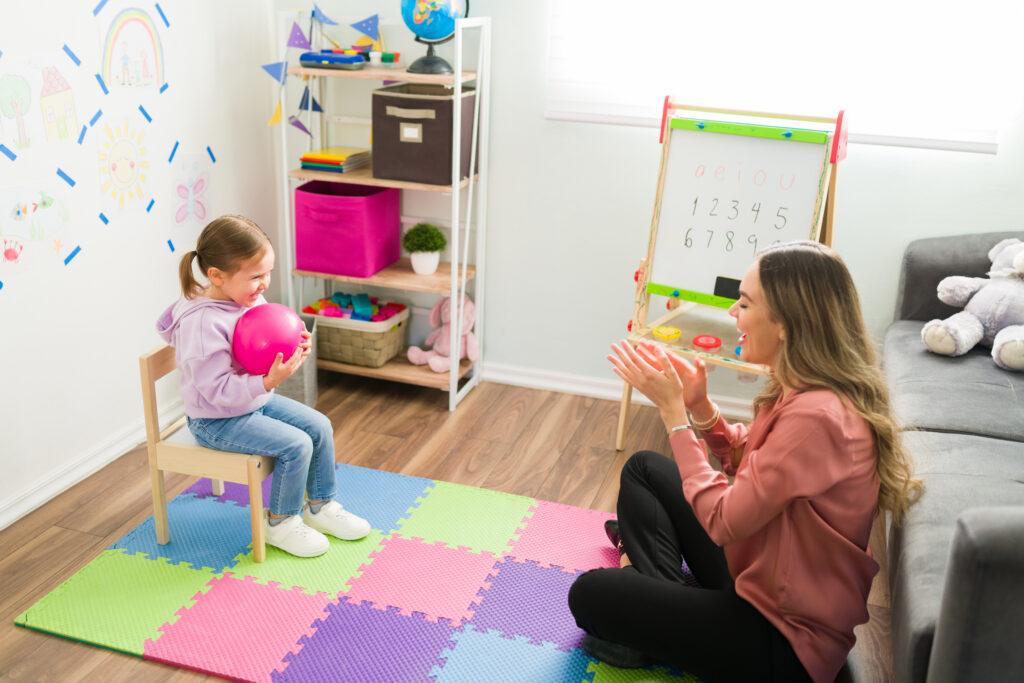
We want to be clear about what families can expect with us.
We take a modern, assent-based approach to ABA. That means we prioritize your child’s happiness and willingness to participate, and we strictly avoid aversive or punishment-based strategies. We focus on teaching skills, building communication, and making daily life easier and more fulfilling for your child and your family.
We also value collaboration. Our BCBAs and RBTs do not come in with a one-size-fits-all plan. We listen, we observe, we partner with you, and we build a treatment plan that reflects your child, your goals, and your home life.
Frequently asked questions families have about in-home ABA
Is in-home ABA therapy “less effective” than clinic-based ABA?
Not inherently. Effectiveness depends on the quality of programming, the fit between goals and setting, consistency, and your child’s needs. For many children, the home setting actually improves carryover because skills are practiced in the environment where they are used.
What if our home is busy or we do not have a perfect setup?
That is normal. We do not need a therapy room or a Pinterest-level play space. We will work with what you have and help create simple structure within your real environment.
Will we be expected to participate the whole time?
Not necessarily. Some parent involvement is helpful, especially for carryover, but we can collaborate on what is realistic. Our goal is to support your family, not add pressure.
Let’s talk about what in-home ABA could look like for your family
If you are considering in-home ABA therapy in New Hampshire, we would love to help you explore whether it is the right fit and what goals would make the biggest difference at home and in the community.
Reach out to Moving Mountains ABA to learn more about our in-home services or to schedule a consultation. We are here to partner with you with compassion, collaboration, and care.
FAQs (Frequently Asked Questions)
What are the benefits of in-home ABA therapy for my child?
In-home ABA therapy offers numerous benefits including teaching skills in the child’s natural environment, reducing stress from travel and unfamiliar settings, creating routines tailored to your family’s daily life, practical parent coaching, better generalization of skills across settings and people, and supporting emotional regulation in real-life moments.
How does in-home ABA therapy help with skill generalization?
In-home ABA therapy naturally promotes generalization by allowing your child to practice skills across different people, settings, materials, and times of day. Since therapy occurs where your child lives and interacts daily, skills are more likely to transfer beyond therapy sessions into everyday life.
Can in-home ABA therapy reduce transition-related stress for my child?
Yes. In-home sessions eliminate the need for travel and exposure to unfamiliar environments that can overwhelm children with sensory sensitivities or anxiety. Starting therapy in a comfortable, familiar setting helps your child stay regulated and more available for learning.
How does Moving Mountains ABA support parents during in-home therapy?
Moving Mountains ABA emphasizes parent empowerment by providing practical coaching during real-life situations. Therapists model strategies using your child’s actual materials and spaces, troubleshoot challenges on the spot, and build simple plans that parents can implement even when tired or stressed.
Is in-home ABA therapy covered by insurance in New Hampshire?
Yes. Under New Hampshire law (RSA 417-E), most private insurance plans and NH Medicaid are required to cover medically necessary ABA therapy for individuals with an autism diagnosis. Because Moving Mountains ABA specializes in home-based care, we work directly with your provider to ensure your coverage extends to services delivered in your natural home environment.
What makes Moving Mountains ABA’s approach to in-home ABA therapy unique?
Moving Mountains ABA utilizes a modern, assent-based approach that prioritizes your child’s happiness and willingness to participate. They strictly avoid aversive or punishment-based strategies, focusing instead on respectful, humane methods that foster meaningful skill development and emotional regulation.
Starting the journey with ABA can feel overwhelming, but you don’t have to navigate it alone. Contact Moving Mountains ABA today to speak with a specialist about how we can support your family in New Hampshire.