
If you are parenting a child with autism, you already know that support needs can show up in a hundred small moments. Getting dressed. Brushing teeth. Leaving the house. Handling a change in plans. Playing with a sibling. Asking for a break instead of melting down.
That is exactly why many families we work with choose in-home ABA therapy. When services happen where life actually happens, the skills your child is learning are easier to practice, easier to remember, and more likely to stick.
In New Hampshire, we provide in-home and community-based Applied Behavior Analysis (ABA) therapy with a modern, assent-based approach. That means we prioritize your child’s happiness and willingness to participate, and we strictly avoid aversive or punishment-based strategies. We meet children where they are, whether that is at home, at school, or out in the community, and we partner with you to build practical skills for real life.
One of the significant advantages of our services is that insurance coverage can often be applied to these therapies, making them more accessible for families.
Below, we will walk through what in-home ABA can look like, why it is often so effective, and how it can support your entire family.
Why “in-home” can make such a big difference
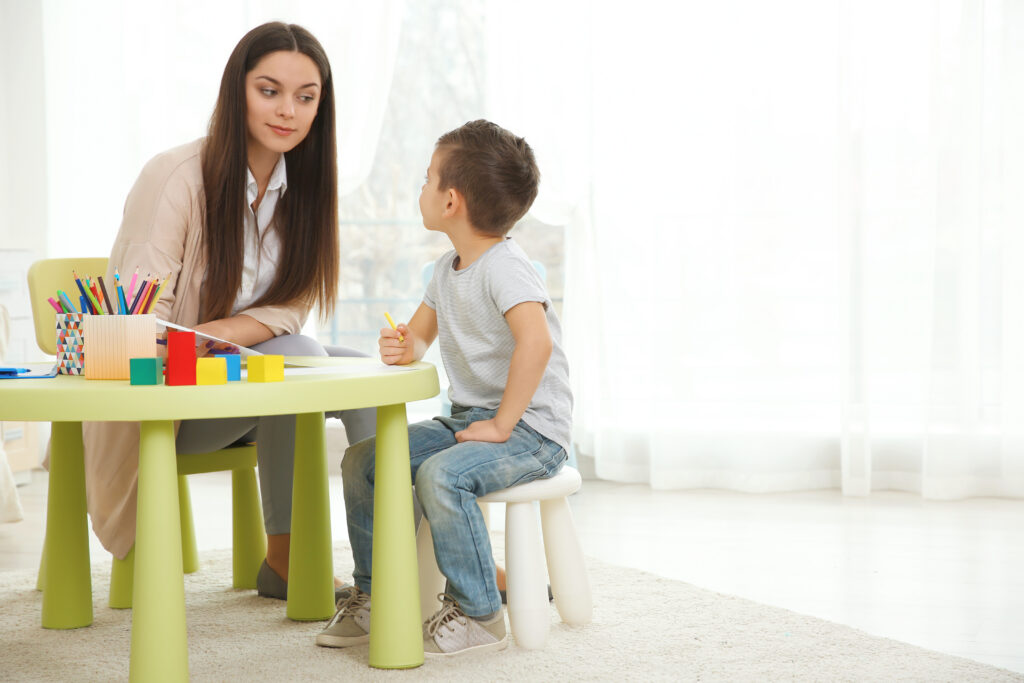
A big part of ABA success is what we call generalization: using a skill in the real situations where it matters, not just during a session.
In a clinic setting, a child might learn to ask for help beautifully. But then the next time a toy breaks in the living room, they may still cry or throw the toy because the situation feels different.
In-home ABA allows us to teach and practice skills in the same environment where your child needs them most. We can work on things like:
- Morning and bedtime routines
- Mealtime and trying new foods
- Transitions between activities
- Safe behavior and boundaries at home
- Play skills with siblings
- Communication during real frustrations
- Using coping skills in the exact moment emotions rise
When therapy fits into everyday routines, progress often feels more natural and more meaningful.
What in-home ABA therapy typically looks like
Every child is different, so every plan should be different too. Our team of Board Certified Behavior Analysts (BCBAs) and Registered Behavior Technicians (RBTs) builds individualized treatment plans based on your child’s strengths, needs, interests, and goals.
In-home sessions often include a mix of:
- Natural, play-based teaching that follows your child’s interests
- Structured practice for specific goals (communication, daily living, safety, etc.)
- Emotional regulation support during real triggers, not just imagined ones
- Parent and caregiver coaching so skills continue between sessions
- Data-informed adjustments so we can track progress and adapt quickly
We also pay close attention to assent. If your child is telling us “no” through words, body language, or behavior, we do not push through. We slow down, adjust our approach, and rebuild comfort and cooperation. Our goal is not compliance for its own sake. Our goal is confidence, independence, and a sense of safety during learning.
Benefit #1: Skills are taught in the exact place they are needed
Some goals are hard to teach anywhere except at home.
For example:
- Toilet learning and hygiene routines
- Staying in bed at night and building sleep routines
- Tolerating hair brushing, nail trimming, and toothbrushing
- Learning to play appropriately with household items
- Following family rules around screens, snacks, and chores
- Practicing safety skills like staying with an adult near the road
In-home ABA lets us work in the real environment, with the real materials, at the real times of day challenges happen. That reduces the gap between “learning” and “doing.”
Benefit #2: Less stress from travel and transitions
For many children with autism, transitions are a major challenge. Getting in the car, leaving a preferred space, entering a new building, and being around unfamiliar people can be exhausting.
In-home ABA, a therapy approach that removes a big barrier: you do not have to gear up for a clinic trip multiple times a week. That can mean:
- Less time spent packing, commuting, and waiting
- Fewer transition-related meltdowns
- More energy available for learning
- A calmer rhythm for the entire household
For some families, that convenience alone makes consistent therapy possible.
Benefit #3: Real-time support for emotional regulation
Emotional regulation is one of the most important life skills we can build, and it is also one of the hardest.
In-home therapy allows us to help your child practice coping skills right when they are needed, such as when:
- A sibling takes a toy
- A preferred show ends
- A parent says “not right now”
- A plan changes unexpectedly
- A demand feels overwhelming
- Sensory discomfort builds (clothing, noise, hunger, fatigue)
In those moments, we focus on teaching skills that are functional and respectful, like asking for a break, requesting help, using calming strategies, or communicating “I’m all done.” Over time, many families see fewer intense escalations and faster recovery after disappointment.
Benefit #4: Stronger parent coaching and family empowerment
We believe therapy works best when families feel supported, not judged. In-home ABA creates more opportunities for collaboration because we are right there with you in your daily routines.
Parent coaching might include:
- How to set up routines so they are clearer and easier to follow
- How to give directions in a way your child understands
- How to reinforce progress without turning the home into “constant therapy”
- How to respond to challenging behavior safely and calmly
- How to build communication opportunities throughout the day
- How to support siblings and reduce household stress
Our goal is not to replace your parenting style. It is to give you tools that fit your family, your values, and your child.
Benefit #5: More personalized goals that reflect your family’s life
In-home ABA makes it easier to choose goals that genuinely matter to your day-to-day life, not just goals that look good on paper.
That might include:
- Getting through a full meal without distress
- Learning to wait while you finish a phone call
- Playing independently for short periods
- Tolerating “no” or “later” with less escalation
- Getting dressed with fewer prompts
- Transitioning from screen time to homework or bath time
- Joining family activities like board games or short outings
When goals match your family’s real priorities, progress feels more relevant, and motivation tends to be higher.
Benefit #6: Better generalization to the community
Even though this article focuses on in-home services, many children benefit from practicing skills beyond the home too. Because we also provide community-based support across New Hampshire, we can help your child use skills in real settings like:
- Grocery stores
- Parks and playgrounds
- Libraries
- Restaurants
- Community events
- After-school activities
Community sessions can be especially helpful for working on safety, waiting, flexibility, and social communication. And because we use an assent-based approach, we prioritize making these experiences positive and confidence-building, not overwhelming.
Benefit #7: A more comfortable, trusting learning environment
Many children feel safest at home. That sense of safety matters because learning is much easier when a child feels regulated and understood.
In-home ABA can support:
- Building rapport in a familiar space
- Using your child’s favorite toys and activities as natural motivation
- Reducing sensory overload that might happen in a busy clinic
- Helping your child feel more in control of their environment
We still keep sessions purposeful and structured, but we do it in a way that feels respectful and human.
Common goals we work on in in-home ABA

Families often ask what kinds of goals are “appropriate” for ABA. The short answer is: goals should be practical, functional, and meaningful for your child and your family.
Depending on your child’s needs, we may focus on:
Communication and language
- Requesting items and activities
- Asking for help
- Saying “stop,” “break,” or “all done”
- Expanding expressive language or alternative communication
- Understanding and following directions
Emotional regulation and coping
- Identifying emotions
- Tolerating frustration and delay
- Learning calming strategies that actually work for your child
- Recovering from “no” or unexpected change
Daily living skills
- Toileting routines
- Hygiene and grooming
- Getting dressed
- Cleaning up
- Simple chores and responsibilities
Social and play skills
- Turn-taking and sharing
- Cooperative play with siblings
- Flexible play and trying new games
- Engaging with peers in low-pressure ways
Safety skills
- Staying close to caregivers in public
- Learning boundaries around doors and wandering
- Responding to “stop”
- Safe behavior around pets, streets, and household hazards
How we keep in-home ABA respectful and assent-based
It is important to say clearly: not all ABA looks the same.
Our approach is modern and assent-based. We do not use punishment-based strategies, intimidation, or harsh consequences to force participation. Instead, we focus on:
- Building trust and rapport first
- Making sessions engaging and meaningful
- Offering choices whenever possible
- Listening to your child’s communication, including nonverbal communication
- Teaching skills that increase autonomy and reduce distress
- Using positive reinforcement in a way that is ethical and individualized
Assent does not mean there are never challenges. Learning new skills can be hard. But it does mean we pay attention to your child’s experience and we adjust, rather than overpower.
What to expect from our team
When you work with us, you are supported by a dedicated team. Our BCBAs guide assessment, treatment planning, and clinical oversight. Our RBTs implement sessions with consistency and care. We collaborate closely so your child’s plan stays responsive as they grow and change.
You can expect:
- Individualized treatment planning, not a one-size-fits-all program
- Ongoing progress monitoring and updates based on data and real-life feedback
- A collaborative relationship with caregivers, because your insight matters
- A focus on functional outcomes, so skills translate into everyday life
- Compassionate care, even on hard days
Is in-home ABA a good fit for your child?
In-home ABA can be a great fit for many children, especially when goals involve routines, daily living skills, behavior at home, or caregiver coaching.
It can also be a strong option if:
- Your child struggles with transitions or new environments
- Your family schedule makes travel difficult
- You want support embedded into real routines
- You want skills practiced where they are most likely to occur
The best way to know is to talk through your child’s needs, your family’s priorities, and what a realistic therapy schedule could look like.
Let’s talk about what support could look like in your home
You do not have to figure this out alone. If you are exploring autism services for your child and you are curious about in-home ABA, we are here to help.
Reach out to us at Moving Mountains ABA to learn more about our in-home and community-based services across New Hampshire or to schedule a consultation. We would love to hear about your child, answer your questions, and build a plan that supports your family with compassion, collaboration, and care.
FAQs (Frequently Asked Questions)
What is in-home ABA therapy and how does it benefit children with autism?
In-home ABA therapy is Applied Behavior Analysis provided in the child’s natural environment, such as their home or community. This approach helps children learn and practice skills where life actually happens, making it easier to remember and generalize those skills to real-life situations. Benefits include teaching routines like dressing and brushing teeth, handling transitions, improving communication during frustrations, and supporting emotional regulation right when it’s needed.
How does in-home ABA therapy support emotional regulation for children with autism?
In-home ABA therapy offers real-time support for emotional regulation by helping children practice coping skills during actual triggers, such as changes in plans, sensory discomfort, or sibling interactions. Therapists teach functional and respectful strategies like asking for a break or using calming techniques, which can lead to fewer intense escalations and quicker recovery after disappointment.
Why is parent coaching an important part of in-home ABA therapy?
Parent coaching is vital because it empowers families to support their child’s progress throughout daily routines. Therapists collaborate with parents to set up clear routines, give effective directions, reinforce progress appropriately without turning the home into constant therapy, respond calmly to challenging behaviors, build communication opportunities, and reduce household stress. This partnership enhances consistency and effectiveness of the therapy.
Can insurance coverage be applied to in-home ABA therapy services?
Yes, in many cases insurance coverage can be applied to in-home ABA therapy services. This makes these therapies more accessible for families seeking support for their child with autism. It is recommended to check specific insurance policies or contact providers directly for detailed coverage information.
How does in-home ABA therapy address challenges related to transitions and travel?
In-home ABA therapy reduces stress associated with travel and transitions by eliminating the need for frequent clinic visits. Since therapy occurs where the child feels most comfortable—their home—there are fewer transition-related meltdowns, less time spent commuting or waiting, more energy available for learning, and a calmer routine for the entire family.
What types of skills can be effectively taught through in-home ABA therapy?
In-home ABA therapy effectively teaches a variety of practical life skills including morning and bedtime routines, mealtime behaviors like trying new foods, safe behavior at home, play skills with siblings, communication during frustration, emotional regulation strategies during real triggers, toilet learning and hygiene routines, tolerating grooming activities like hair brushing or toothbrushing, following family rules around screens and chores, and practicing safety skills such as staying close to an adult near roads.