If your child is on the autism spectrum, you have probably seen how social skills and school success are connected. When a child struggles to join a game at recess, ask for help, wait their turn, or recover after a tough moment, the whole school day can feel harder than it needs to be.
We also know how personal this is for families. You are not just looking for “better behavior.” You are looking for your child to feel included, understood, and confident in everyday life.
Applied Behavior Analysis (ABA) can absolutely support social skills and school readiness, but how it’s done matters. At Moving Mountains ABA, we distinguish ourselves through a modern, assent-based approach. That means we prioritize your child’s happiness and willingness to participate, and we strictly avoid aversive or punishment-based strategies. We meet children where they are, whether in their homes, schools, or local communities, so the skills we teach actually translate to real life. And we partner with parents the whole way so you feel supported, not sidelined.
Below, we’ll walk through what social skills really involve, how ABA can help, what school goals can look like, and how we make the process practical and respectful.
What “social skills” really mean (it’s more than being friendly)
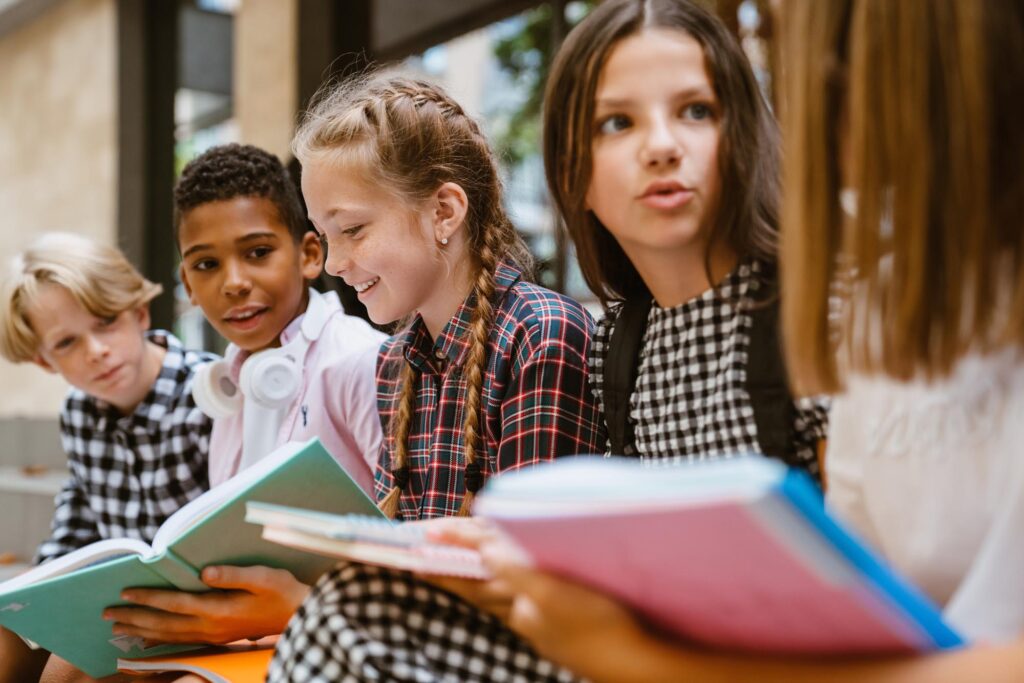
Social skills are a big umbrella. Many kids know what they want to say, but the timing, wording, body language, and emotional load of social moments can be a lot. Social skills often include:
- Initiating: saying hi, joining play, starting a conversation, asking to sit with someone
- Responding: answering questions, acknowledging peers, staying in a back-and-forth exchange
- Play and friendship skills: sharing ideas, taking turns, handling disagreements, “going with the flow”
- Perspective taking: noticing facial expressions, understanding that others have different thoughts or preferences
- Self-advocacy: asking for help, requesting a break, communicating needs respectfully
- Repairing: apologizing, trying again after a mistake, rejoining after conflict
- Emotion regulation in social settings: staying calm when losing a game, waiting, coping with noise and unpredictability
When we say ABA can help with social skills through our therapy approaches, we mean we can help build these practical behaviors in ways that fit your child’s communication style, sensory needs, and personality.
How ABA supports social growth (without forcing a “scripted” child)
A common worry we hear is: “Will ABA make my child act like someone they’re not?”
That is a valid concern, especially if you’ve seen approaches that prioritize compliance over comfort. Our goal is not to create a robotic set of social scripts. Our goal is to help your child access relationships, learning, and independence while still being themselves.
ABA helps by breaking down social situations into teachable parts, practicing them in safe and supportive ways, and then building up to real-world settings. Depending on your child, we might work on:
1) Communication that works in real life
For some kids, social challenges start with communication. We support skills like:
- requesting preferred items or activities
- asking for help
- answering simple questions
- using AAC (if applicable) effectively with peers and adults
- learning what to do when they do not know what to say
When communication improves, frustration often decreases, and social opportunities open up.
2) Building “social routines” that feel natural
We might teach small, repeatable routines like:
- greeting a familiar adult when arriving somewhere
- joining a game by asking “Can I play?”
- giving a simple compliment or comment (“That’s cool,” “I like your shoes”)
- ending an interaction appropriately (“Bye,” “See you tomorrow”)
These are not meant to erase your child’s authentic style. They are meant to reduce the stress of not knowing what to do.
3) Coping and regulation during social moments
Even when a child knows the social skill, emotions can get in the way. We frequently target:
- waiting and turn-taking
- tolerating “no” or “not right now”
- handling losing or unexpected changes
- coping with teasing or misunderstandings
- taking a break and returning to the group
These are life skills, not just “school skills.”
4) Generalization (the step most families actually care about)
A skill is only helpful if it shows up outside the therapy session.
That’s why we focus heavily on generalization: practicing skills at home, in the community, and when possible, with school routines and expectations in mind. We work to make skills usable in the messy, real world where things don’t go perfectly.
Can ABA help at school even if therapy is in-home?
Yes. In-home ABA can support school success in several powerful ways, because home is where many foundational skills are built and practiced consistently.
Here are examples of school-related goals we often address in a home and community-based model:
School readiness and learning behaviors
- following simple directions (with understanding, not fear)
- transitioning between tasks
- sitting for short learning activities with breaks
- completing “first-then” routines (first worksheet, then Lego)
- tolerating mistakes and trying again
Independence skills that reduce school-day stress
- packing and unpacking a backpack
- dressing skills and managing outerwear
- lunch routines (opening containers, cleaning up, asking for help)
- using the bathroom routine independently when appropriate
Classroom social and group participation skills
- raising a hand or using another appropriate signal
- waiting while others talk
- asking to join a group
- sharing materials
- handling group games or partner work
Emotional regulation for long school days
School can be loud, busy, and unpredictable. We support:
- identifying early signs of overwhelm
- learning calming strategies that actually work for your child
- requesting breaks appropriately
- returning to tasks after a break
When we teach these skills with an assent-based approach, we’re not teaching a child to “push through” distress. We’re teaching them that their needs matter, and there are respectful ways to communicate and cope.
How Moving Mountains ABA Can Help with In-Home ABA
At Moving Mountains ABA, we believe that children learn best in the places they live, play, and grow. Our in-home ABA therapy isn’t just about teaching skills at a kitchen table; it is about creating a “natural environment” where your child can build the confidence and independence they need to succeed in the real world—including the classroom.
Here is how our individualized in-home and community-based approach directly supports social and school readiness:
We Bring Learning to Life with Natural Environment Teaching (NET)
School is a dynamic environment, not a quiet therapy room. That is why we use Natural Environment Teaching (NET) to take therapy into everyday settings. By practicing communication and emotional regulation during real-life moments—like mealtime, sibling play, or trips to the park—we help your child “generalize” these skills. This ensures that when they encounter similar social demands at school, they have the flexibility and experience to navigate them successfully.
We Build Confidence Through Play and Social Connection
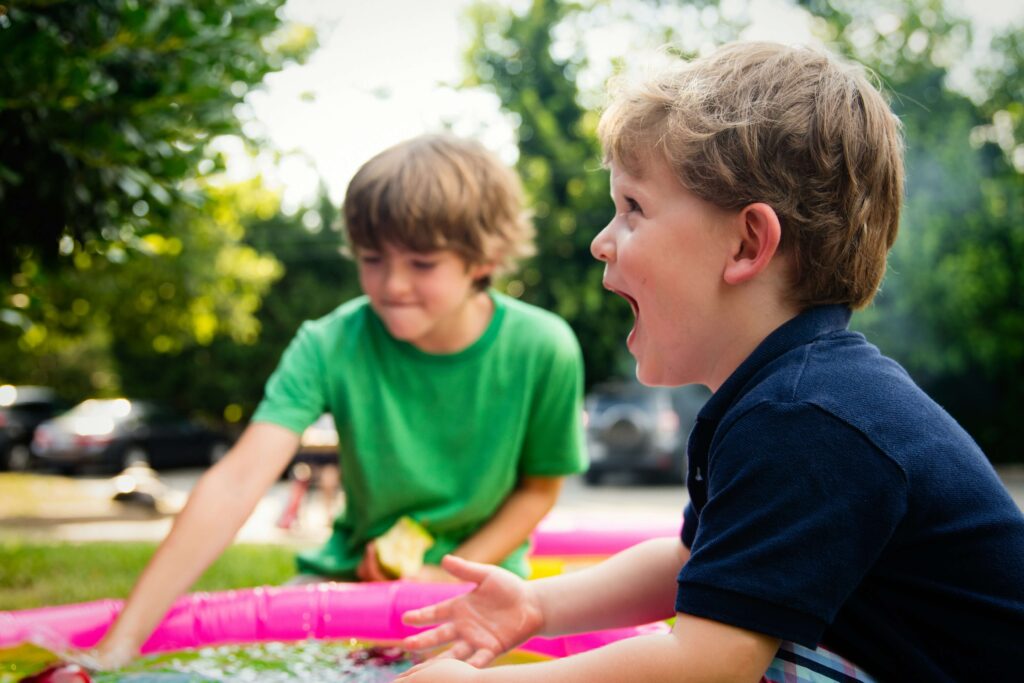
Play is the language of childhood, and it is often the first step toward making friends at school. Our clinicians use Pivotal Response Training (PRT) and structured play to help children master the unspoken rules of the playground. We actively work on:
- Sharing and taking turns so group activities feel less overwhelming.
- Joining group activities and maintaining peer relationships.
- Imaginative flexibility, helping children adapt when a game changes rules (a common stressor in school settings).
We Partner with Schools for Consistency Success requires a team effort. We don’t just work in a silo; we partner with families, schools, and healthcare providers to create consistency across every environment. By aligning our in-home goals with school expectations, we ensure your child receives the same supportive messages and strategies whether they are at home or in the classroom.
We Prioritize Assent and Self-Advocacy School can be demanding, and children need to know how to speak up for themselves. Our Assent-Based Care model teaches children that their voice matters. We focus on teaching self-advocacy skills that last a lifetime, ensuring your child feels safe, motivated, and empowered to express their needs to teachers and peers alike.
By combining evidence-based practices with deep compassion, Moving Mountains ABA helps children not just learn, but thrive—building the meaningful connections and independence they need for a happy school life.
What our assent-based ABA approach looks like day to day
“Assent-based” means we pay attention to your child’s signals and preferences. We actively build willingness and trust, because meaningful learning happens when a child feels safe.
In practice, that often means:
- Pairing and relationship building first: we spend time earning trust, not demanding performance
- Child-centered motivation: we use your child’s interests to make practice fun and relevant
- Choices and control: we offer options whenever we can (what to practice first, where to sit, which materials to use)
- Respecting “no” and teaching alternatives: if a child is refusing, we look for the “why” and teach communication and coping, not power struggles
- No punishment-based strategies: we focus on skill building, supportive environments, and positive teaching methods
This matters a lot for social skills, because social confidence grows when kids feel respected, not managed.
What progress can look like (realistic, meaningful wins)
Social and school progress is not always dramatic. Often it’s a set of small wins that add up.
You might notice your child:
- starts greeting familiar people without prompting
- tolerates group activities a little longer
- recovers faster after disappointment
- asks for help instead of shutting down
- joins a peer activity for the first time
- participates in circle time with a support plan
- follows a morning routine with fewer conflicts
- handles transitions with less anxiety
We celebrate these wins because they are the building blocks of confidence and independence.
How we collaborate with families (because you’re the constant)
We believe parents and caregivers should feel empowered, not overwhelmed.
We partner with you to:
- identify goals that matter in your daily life
- create simple strategies you can actually use at home
- reduce stress around routines and transitions
- support consistency across caregivers when possible
- problem-solve tough moments with compassion and clarity
Our Board Certified Behavior Analysts (BCBAs) and Registered Behavior Technicians (RBTs) build individualized plans that focus on skill development, emotional regulation, and family empowerment, because therapy should support the whole family system.
What if my child masks at school but melts down at home?
This is more common than many people realize. Some children hold it together all day at school and then release everything at home where they feel safe.
ABA can help by:
- teaching coping skills earlier in the stress cycle
- improving self-advocacy (asking for a break, communicating overload)
- adjusting demands and routines at home to support recovery
- building emotional literacy (naming feelings, recognizing body signals)
- creating predictable decompression routines after school
When kids have better tools, they often do not need the meltdown to communicate, “This was too much.”
FAQ
Can ABA help my child make friends?
Yes, ABA can support the skills that make friendships easier, like joining play, taking turns, flexible thinking, and repairing after conflict. Friendship also depends on the right peer matches and environments, so we focus on building skills and creating opportunities where your child can connect in a natural way.
Will ABA teach my child to act “normal”?
Our goal is not to change who your child is. We focus on helping your child communicate, participate, and navigate daily life with more confidence and independence, while respecting their individuality, sensory needs, and autonomy.
What age is best to start working on social and school skills?
There’s no single “best” age. Many families start in early childhood, but social learning happens across development. We can support foundational skills for young children and practical school and community skills for older kids too.
Can ABA help with classroom behaviors like calling out, leaving the area, or refusing work?
Yes, but we look at what’s driving the behavior. Often it’s communication difficulty, task frustration, anxiety, sensory overload, or unclear expectations. We focus on teaching replacement skills, improving regulation, and making routines more manageable.
Do you work with schools directly?
Our services are in-home and community-based across New Hampshire. Even when therapy happens outside the school, we can still target school-relevant goals and support families with strategies that align with classroom expectations. If collaboration with the school is appropriate and possible, we can discuss what that could look like.
How long does it take to see improvement?
That depends on your child’s goals, starting point, and the consistency of practice across settings. Many families notice small meaningful changes first, like smoother routines or better communication, which then build into bigger social and school gains over time.
What makes your approach different?
We use a modern, assent-based approach that prioritizes your child’s happiness and willingness to participate. We strictly avoid aversive or punishment-based strategies, and we meet children where they are, in their homes, schools, and communities, to build practical skills for real life.
Let’s support your child’s confidence at school and beyond
If you are wondering whether ABA could help your child with social skills, school routines, or emotional regulation, we would love to talk. Reach out to us at Moving Mountains ABA to learn more about our in-home and community-based services across New Hampshire, or to schedule a consultation. We’re here to partner with your family with compassion, collaboration, and care.
Disclaimer: The information provided in this blog is for informational purposes only and is not intended as medical advice, diagnosis, or treatment. Always seek the advice of your physician or a qualified healthcare provider with any questions you may have regarding a medical condition or treatment plan. Never disregard professional medical advice or delay in seeking care because of something you have read on this website. Moving Mountains ABA does not provide medical or clinical services directly through its website. If you are experiencing a medical emergency, please call 911 or seek immediate medical attention.