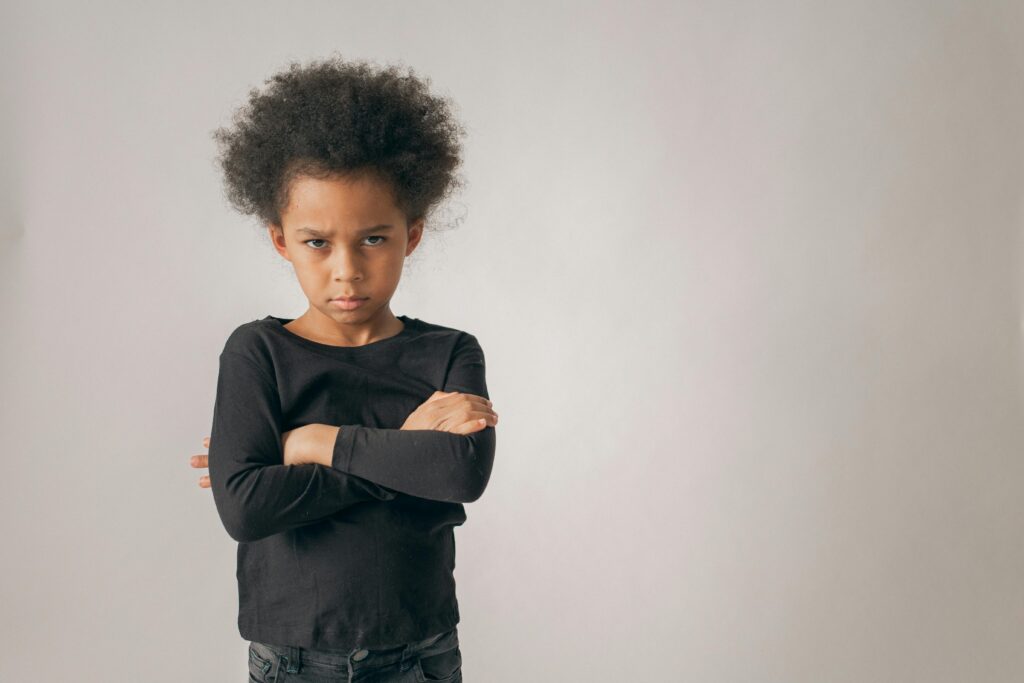
If you are parenting a child with autism, you might feel like you are walking on eggshells in your own living room. Home is supposed to be the safe place, but it is often where anger and aggression surface the most. It is not because you are doing anything wrong, and it is certainly not because your child is “mean” or “bad.”
It is usually because home is where the mask comes off. It is where the demands of the day catch up to them, where siblings are loud, where transitions are hard, and where frustration boils over into yelling, hitting, or throwing things.
So yes, in-home ABA therapy can help manage anger and aggression at home, but not by suppressing your child’s emotions. At Moving Mountains ABA, we use a modern, assent-based approach. That means we prioritize your child’s happiness and willingness to participate, and we strictly avoid aversive or punishment-based strategies. Our goal is not to punish the anger. Our goal is to understand what the anger is trying to tell us, reduce the frustration causing it, and teach your child safer, more effective ways to be heard.
We meet children where they are—including in their homes, schools, and local communities across New Hampshire—so the skills we build actually show up when you need them most.
Anger vs. Aggression: Understanding the Difference

It is important to distinguish between the emotion and the behavior.
- Anger is a valid human emotion. Your child has every right to feel mad, frustrated, or disappointed.
- Aggression (hitting, kicking, biting, breaking things) is a behavior that happens when a child doesn’t have the tools to manage that big emotion safely.
When a child with autism lashes out, it is rarely malicious. It is often a “fight or flight” response to:
- Communication Barriers: Knowing what they want but being unable to say it.
- Sensory Overload: The lights, sounds, or textures are physically painful.
- Unmet Needs: Being hungry, tired, or in pain without a way to fix it.
- Loss of Control: Unexpected changes in routine or perceived unfairness.
When we view aggression as a skills gap rather than a behavior problem, the path forward changes. Instead of asking “How do we stop them from acting out?” we start asking: “What skills do they need to handle this frustration safely?”
Why In-Home ABA Therapy is Crucial for Anger Management
Managing anger isn’t just about what happens during the explosion. It’s about the environment where the spark is lit. In-home ABA therapy allows us to work in the exact setting where these frustrations occur, helping us:
- Identify specific home triggers (e.g., sharing the iPad, the transition to bath time).
- Catch the “rumblings” early before they turn into full-blown aggression.
- Coach parents in real-time on how to de-escalate without adding fuel to the fire.
Home routines are full of friction points. In-home ABA lets us look closely at these moments with compassion and curiosity to build a plan that brings peace back to the household.
Our Assent-Based Approach: Respecting the “No”
Some families worry that ABA will turn their child into a robot who isn’t allowed to say “no.” That is the opposite of how we work. Our assent-based approach means we respect your child’s autonomy. Often, aggression happens because a child feels powerless. By giving them choices and respecting their “no” when appropriate, we often see aggression decrease naturally.
- A child who feels respected doesn’t need to scream to be heard.
- A child who has autonomy is less likely to resort to physical force.
- A child who feels safe is more open to learning coping strategies.
How In-Home ABA Therapy Actually Helps With Anger
Every child is different, but effective support usually involves these four pillars:
1) We Find the “Why” (The Function of the Anger)
We look at the context surrounding the aggression:
- Antecedent: Did a sibling take a toy? Was a demand placed? Was it loud?
- Behavior: What did the aggression look like?
- Consequence: Did the aggression result in being left alone? Getting the toy back? This helps us understand if the anger is about escaping a situation, accessing a tangible item, or expressing sensory pain. Once we know the “why,” we can solve the actual problem.
2) We Teach “Functional Communication” (The Power of Words)
The number one trigger for aggression is the inability to communicate. If a child cannot politely say, “I don’t want to do that,” they might throw a chair to say it instead. We teach functional replacements, such as:
- Asking for a break (“Break card” or gesture).
- Saying “Stop” or “No” appropriately.
- Expressing frustration (“I am mad!” or “Help me”). When a child knows their words have power, they have less need for physical aggression.
3) We Build Emotional Regulation Skills
We practice coping skills when your child is calm and happy, not when they are already angry. We might work on:
- Recognizing body signals (hot face, clenched fists).
- Deep breathing or squeezing a stress ball.
- Asking to go to a “quiet corner” to cool down.
- “Tolerating no” in small, manageable steps with plenty of reinforcement.
4) We Empower Parents with De-Escalation Strategies
In-home ABA is coaching for you, too. We help you learn how to respond when tensions rise. This might include:
- Low-Arousal Approaches: Speaking quietly and giving space instead of hovering.
- Validation: “I see you are really mad the TV is off,” rather than “Stop crying.”
- Safety First: How to block aggression safely without hurting the child or making them feel ashamed.
What You Can Expect as Skills Improve
Progress isn’t usually linear. However, as therapy continues, families typically see:
- Lower Intensity: Screaming instead of hitting (which is actually progress!).
- Shorter Duration: Anger episodes that last 5 minutes instead of an hour.
- Verbalizing: Hearing “I’m mad!” instead of hearing a door slam.
- Faster Recovery: Bouncing back to a happy mood more quickly after an upset.
What If the Aggression is Dangerous?
If your child’s anger leads to self-injury or danger to others, you deserve specialized support. Our BCBAs can develop safety-focused plans that prioritize dignity and physical safety for everyone. We also look closely at biological factors—sometimes aggression is tied to sleep, gut health, or anxiety. We often collaborate with pediatricians to ensure we aren’t missing a medical cause for the behavior.
FAQ: In-Home ABA and Anger
Does ABA just teach kids to suppress their anger? No. We teach kids to process and express anger safely. The goal is not to stop them from feeling mad; the goal is to stop them from hurting themselves or others when they are mad.
Why does my child only get aggressive at home? This is the “after-school restraint collapse.” Your child likely works incredibly hard to hold it together at school. Home is their safe space to release that built-up tension. We can help create after-school decompression routines to manage this transition.
Will you use punishment if my child hits? No. We do not use punishment. If a child hits, we prioritize safety and blocking, but we focus on teaching the alternative skill so they don’t feel the need to hit in the future.
Do you provide services across New Hampshire? Yes. We serve families all across New Hampshire with in-home and community-based ABA therapy, guided by compassion, collaboration, and care.
Let’s Restore Peace to Your Home
Living with constant aggression is exhausting and isolating. But with the right support, your home can feel peaceful again. When we focus on communication, emotional regulation, and parent empowerment, the need for aggression fades away.
If you are ready for support, we are here. Reach out to us at Moving Mountains ABA to learn more about our in-home ABA services or to schedule a consultation. We would be honored to partner with your family.
A meltdown is not a tantrum. A tantrum is usually goal-driven, like wanting a toy or a snack. A meltdown is a loss of control that happens when the nervous system is overwhelmed. During a meltdown, your child may not be able to access language, problem-solving, or coping skills, even if they can do those things at other times.
Common reasons meltdowns happen at home include:
- Sensory overload (noise, lighting, clothing, smells, crowded spaces)
- Unexpected changes (a different dinner, a change in routine, a visitor)
- Communication breakdowns (not being understood, not having the words)
- Demands after a long day (homework, chores, hygiene routines)
- Transitions (turning off screens, leaving the house, bedtime)
- Accumulated stress (masking all day at school, then releasing at home)
When we understand meltdowns as a stress response, the path forward changes. Instead of asking “How do we make this stop?” we start asking: What is making this hard, and what support will help?
If you are ready for support, we are here. Reach out to us at Moving Mountains ABA to learn more about our in-home ABA services across New Hampshire or to schedule a consultation. We would be honored to partner with your family.