As a parent, you know your child best. You notice when they hesitate at the playground, cling to your leg at birthday parties, or prefer playing alone while other kids run in a pack. But sometimes, a lingering question arises: Is this just shyness, or is there something more going on?
Distinguishing between a personality trait like shyness and the social characteristics of autism can be tricky. At Moving Mountains ABA, we help families across Manchester and New Hampshire navigate these questions every day.
Here is a guide to understanding the difference and how our in-home ABA therapy helps children find their voice—on their own terms.
The Difference Between “Shy” and Autistic

Shyness is a personality trait. Autism is a neurodevelopmental difference. While they can look similar on the surface (both might involve avoiding a hello), the why behind the behavior is often different.
1. The “Warm-Up” Period
- Shyness: A shy child usually warms up over time. They might be quiet for the first 20 minutes of a playdate but will eventually join in once they feel safe.
- Autism: A child with autism may not join in, even after an hour. They might prefer solitary play or struggle to understand how to enter the group, regardless of how much time passes.
2. Social Cues and Body Language
- Shyness: Shy children typically understand social cues. They know they should make eye contact or wave back; they just feel too anxious to do so in the moment.
- Autism: A child with autism may not intuitively pick up on non-verbal cues. They might not realize that someone is waiting for a response, or they may find eye contact uncomfortable or physically overwhelming rather than just “nervous.”
3. Desire for Interaction
- Shyness: Often, shy children want to play but are held back by anxiety. They might watch from the sidelines with interest.
- Autism: Some children with autism are perfectly content playing alone and may not feel a strong drive to interact with peers in typical ways. Others desperately want to connect but lack the skills to do so successfully.
Your child’s journey to confidence starts right here at home in New Hampshire. Reach out to our admissions team today to discuss your unique needs and find out how we can help your family thrive.
How ABA Helps Social Withdrawal (Without Changing Who They Are)
If your child is autistic, “fixing” them isn’t the goal. We don’t want to force an introverted child to become the life of the party.
At Moving Mountains ABA, we use Assent-Based Care. This means we respect your child’s autonomy. We don’t force interaction; we build the skills that make interaction easier and more fun so they choose to participate.
Here is how we do it right in your home:
1. We Bridge the Gap with Interests
We use your child’s natural interests as the bridge to social connection. Does your child love trains? We don’t take the trains away to force them to talk. We join them in playing trains.
- The Goal: To show them that letting another person into their world adds value and fun, rather than taking it away.
2. Teaching the “How-To” of Friendship
Socializing has unwritten rules that can be confusing. We break these down into small, manageable steps:
- How to ask to join a game.
- How to take turns without frustration.
- How to advocate for personal space.
3. Practice in the Real World (Natural Environment Teaching)
The beauty of In-Home ABA in New Hampshire is that we practice in the real world. We aren’t in a clinical room; we are in your living room or backyard.
- We can practice greeting a sibling.
- We can practice sharing snacks during a real lunchtime.
- We can help your child navigate a family gathering in real-time.
When to Seek Support
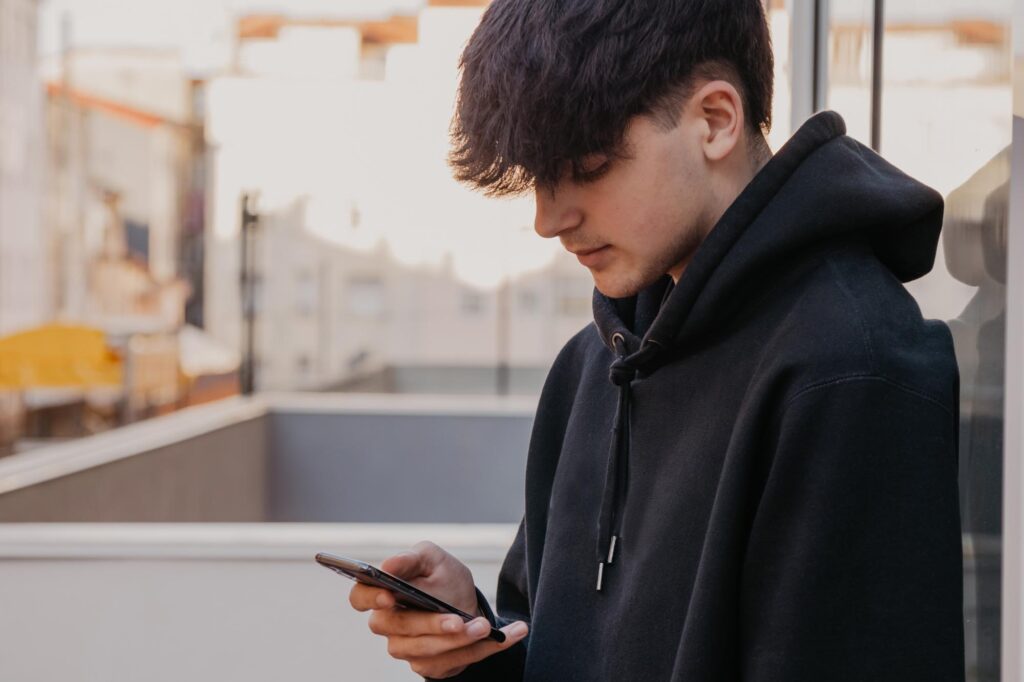
If you notice that your child’s social withdrawal is preventing them from learning, making friends, or communicating their needs, it might be time to look for support.
Early intervention is not about labeling your child; it’s about giving them the roadmap they need to navigate the world with confidence.
Looking at the Whole Picture: Other Signs to Watch For
Social withdrawal rarely happens in a vacuum. When trying to decide if a child is shy or potentially autistic, it is helpful to look at the “whole picture” of their behavior. Shyness is typically limited to social situations, whereas autism often involves differences in other areas of life.
If you are noticing social withdrawal, keep an eye out for these accompanying signs:
- Repetitive Behaviors: Does your child flap their hands, rock back and forth, or repeat specific phrases (echolalia) when excited or stressed?
- Rigid Routines: Does a change in the daily schedule or taking a different route to the store cause a major meltdown? Shy children might be anxious, but they generally tolerate changes in routine better than autistic children.
- Sensory Sensitivities: Does your child cover their ears at loud noises, refuse to wear certain fabrics, or seek out deep pressure? Sensory processing differences often go hand-in-hand with the social differences found in autism.
Why Seeking Answers Isn’t “Labeling”
We talk to many parents in New Hampshire who hesitate to seek an evaluation because they don’t want to “label” their child. We understand that fear. You want your child to be seen for who they are—wonderful, unique, and capable—not defined by a diagnosis.
However, we encourage families to view a diagnosis not as a label, but as a “lens.”
- Understanding vs. Frustration: Without that lens, a child’s refusal to look you in the eye might feel like defiance. With the lens of autism, you understand it is likely sensory overwhelm.
- Opening Doors: An evaluation opens the door to resources, including insurance-covered ABA therapy, that can help your child develop the skills they need to navigate the world with less anxiety. It doesn’t change who they are; it changes how the world supports them.
In-Home Support Across the Entire Granite State
Accessing high-quality autism services shouldn’t depend on your zip code. Moving Mountains ABA is proud to serve families throughout the entire state of New Hampshire.
We know that for families in the Lakes Region, the Seacoast, or the Monadnock Region, driving to a city-based clinic multiple times a week isn’t just difficult—it’s often impossible. That is why our model is built around coming to you.
- We Bring the Clinic to Your Living Room: Whether you live down the street from us in Manchester or in a rural town miles away, our RBTs and BCBAs travel to your home to deliver consistent, high-quality care.
- Consistent Care in Your Community: By serving the whole state, we ensure that children across New Hampshire have equal access to evidence-based, compassionate therapy. We work with your local schools and community centers to create a support network that surrounds your child right where they live.
Frequently Asked Questions: Autism, Shyness, and Social Skills
Is my toddler shy or autistic? It is normal for toddlers to be wary of strangers. However, a key difference often lies in joint attention. A shy toddler will often look at their parent for reassurance, point to show you things, and eventually warm up. An autistic toddler may not look for that reassurance, may not point to share interest, and might remain in their own world regardless of how much time passes. If your toddler consistently avoids eye contact, doesn’t respond to their name, or doesn’t seem interested in other children, an evaluation can provide clarity.
Can a child be both shy and autistic? Yes. Autism and personality are two different things. A child can be autistic and also have an introverted or shy personality. However, autism also involves social communication differences (like difficulty reading body language) that go beyond simple shyness. At Moving Mountains ABA, we create plans that respect a child’s natural personality while helping them navigate the social differences caused by autism.
Does my child need ABA therapy if they are just socially anxious? If your child’s primary struggle is anxiety without the other developmental differences associated with autism (like sensory issues or repetitive behaviors), other therapies like counseling might be the right fit. However, if social anxiety is stemming from a lack of social skills—not knowing how to play, how to read cues, or how to communicate—ABA therapy is highly effective. We teach the specific skills that reduce anxiety by making social situations predictable and manageable.
What age should I test for autism? You can screen for autism as early as 18 months, and reliable diagnoses can often be made by age 2. In New Hampshire, Early Intervention services are available for children under age 3. Waiting to see if they “grow out of it” can mean missing a critical window for learning. If you have concerns, trusting your gut and seeking an evaluation is the best way to support your child’s development.
How does in-home ABA help with social skills if there are no other kids around? This is a common question! We start by building social skills with safe adults (therapists and family members) in the comfort of your home. We work on turn-taking, sharing, and communication in a low-pressure environment. Once those skills are strong, we can generalize them to playdates, siblings, or community outings. We build the foundation at home so your child is ready for the playground.
Does insurance cover ABA therapy in New Hampshire? Yes, most major insurance plans in New Hampshire, including NH Medicaid, cover ABA therapy for children with an autism diagnosis. Our team at Moving Mountains ABA handles the insurance verification process for you, helping you understand your specific coverage and benefits so you can focus on your child.
We Are Here to Help You Climb
Whether your child is shy, autistic, or a mix of both, they deserve to feel confident in who they are.
If you are in New Hampshire and have questions about your child’s social development, Moving Mountains ABA is here to listen. Let’s work together to help your child connect, communicate, and thrive.
No matter where you live in the Granite State, our team is ready to bring high-quality, compassionate autism support directly to your door. Contact Moving Mountains ABA today to learn more about our statewide in-home services.
Disclaimer: The information provided in this blog is for informational purposes only and is not intended as medical advice, diagnosis, or treatment. Always seek the advice of your physician or a qualified healthcare provider with any questions you may have regarding a medical condition or treatment plan. Never disregard professional medical advice or delay in seeking care because of something you have read on this website. Moving Mountains ABA does not provide medical or clinical services directly through its website. If you are experiencing a medical emergency, please call 911 or seek immediate medical attention.